


custom home building process
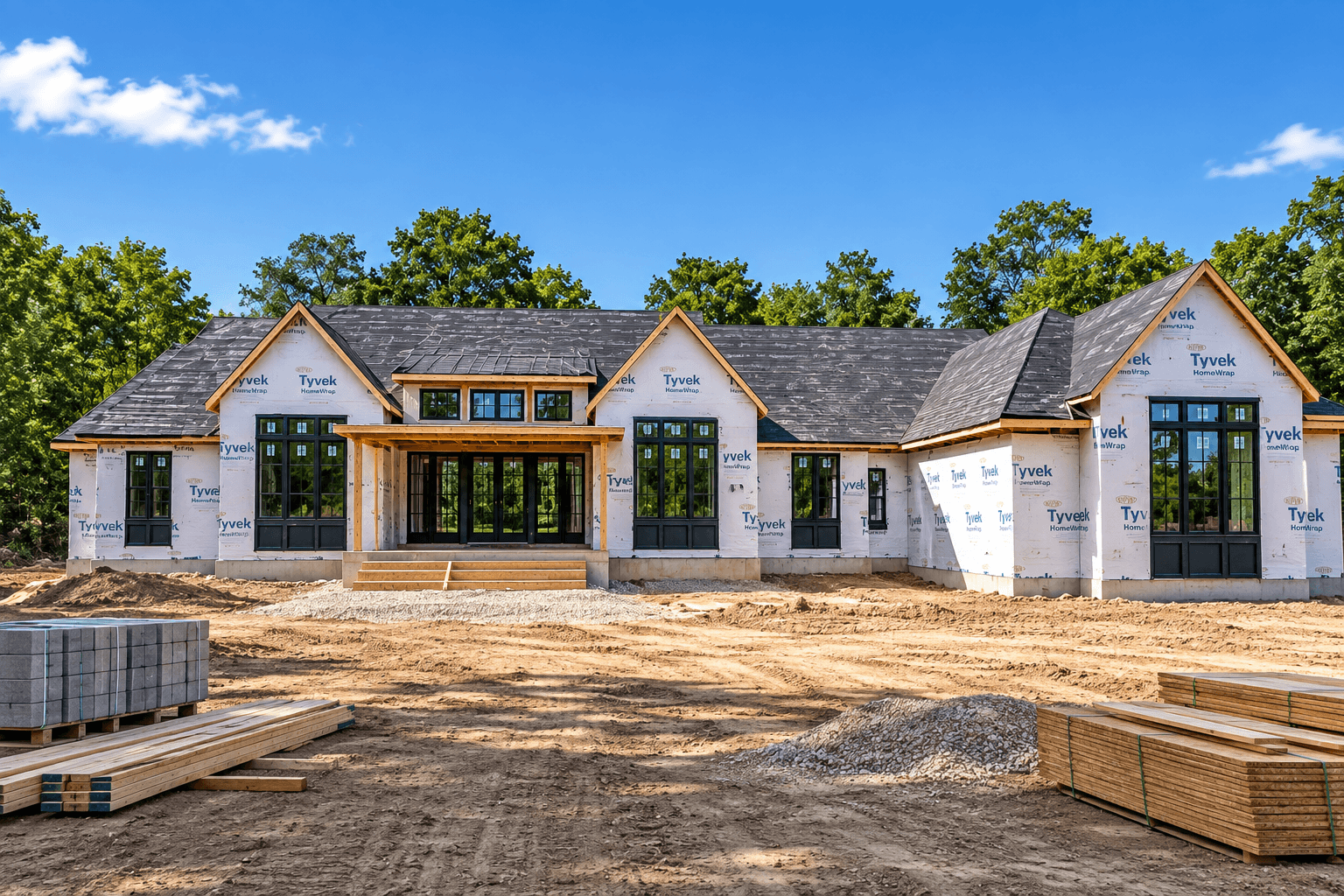
From First Call to Move-In Day: What Building a Custom Home With Catalyst Actually Looks Like
Most custom home builders will hand you a brochure about their process. It’ll have five or six steps, some stock photography, and language like “seamless experience” and “your vision, realized.”
What it won’t tell you is what actually happens — the decisions you’ll make, the order you’ll make them in, what’s harder than you expected, what’s easier, and what a builder who’s been doing this for nearly 50 years does differently than one who hasn’t.
This is that post. If you’re seriously considering building a custom home in South Dayton and you want to understand what the experience actually looks like with Catalyst Custom Homes — from the first conversation to the day you get your keys — read this.
Why Process Matters More Than Most Buyers Realize
When buyers compare custom home builders, they tend to focus on three things: price, portfolio, and personality. All three matter. But the variable that most affects whether the experience is good or miserable is process.
A builder with a clear, well-sequenced process protects you from the most common custom home failure modes: budget surprises late in the build, selection fatigue from too many decisions made at the wrong time, timeline slippage from poor subcontractor coordination, and the creeping anxiety that comes from not knowing what’s happening on your job site.
At Catalyst, the process has been refined over decades of builds across South Dayton — Centerville, Springboro, Lebanon, Washington Township, and now Country Lakes. Here’s what it looks like, step by step.

Phase 1: The First Conversation
No pressure. No sales script. Just a real conversation.
The first step with Catalyst is a conversation — not a presentation. Brothers Cain and Seth Doliboa are directly involved from the start, which means you’re talking to the people who will actually oversee your build, not a salesperson who hands you off later.
What gets covered in that first conversation:
- What you want to build — size, style, must-haves
- Where you want to build — your own lot, Country Lakes, or another community
- Your timeline and how flexible it is
- Your general budget range, honestly discussed
- Whether Catalyst’s approach and your expectations are a good fit
That last point matters. Catalyst builds a limited number of homes per year — intentionally. The hands-on model only works if the volume is controlled. If there’s not a good fit, we’ll tell you. If there is, we move to the next step.
Schedule a consultation today and take the first step toward a home that moves beyond blueprints and into something truly extraordinary.
Phase 2: Site Selection and Lot Assessment
The lot shapes everything. Get this right first.
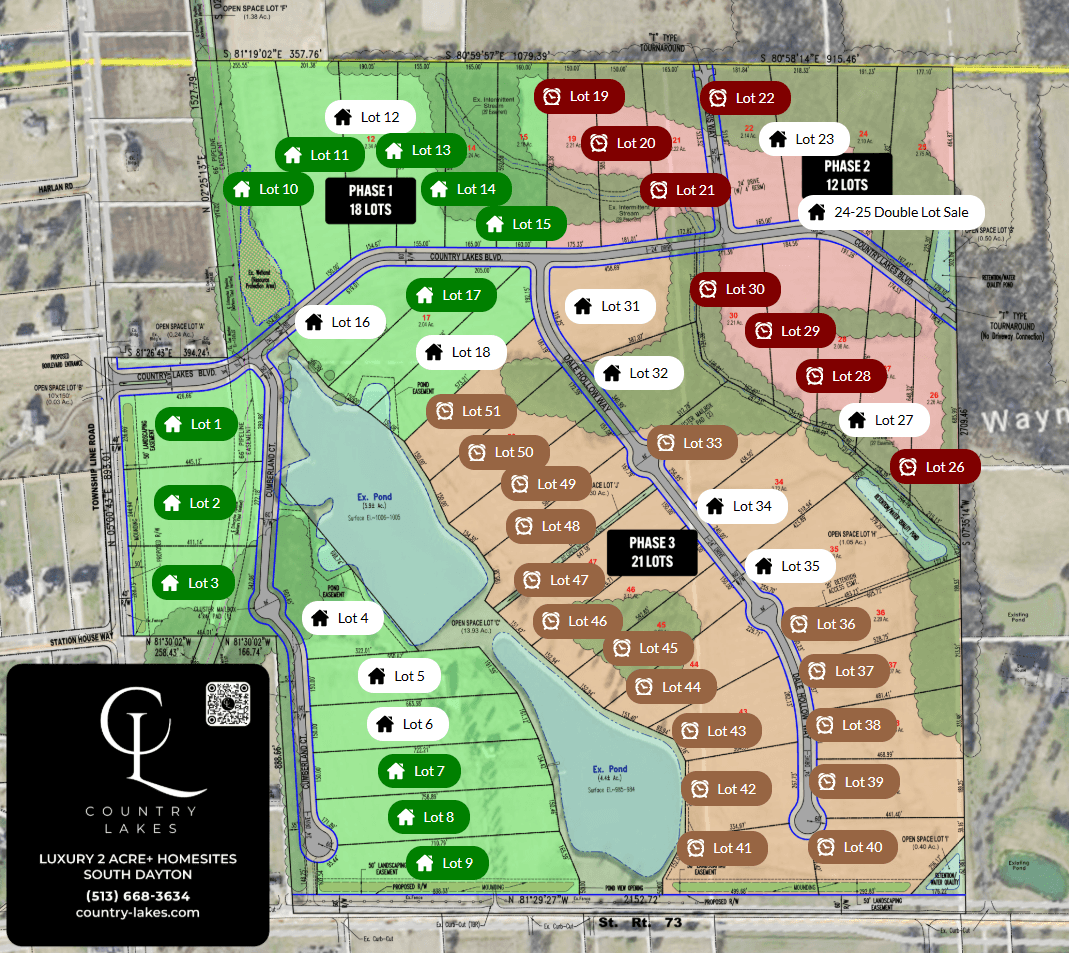
If you don’t already have a lot, this is where the location decision gets serious. For buyers considering Country Lakes, this phase includes a site visit — walking the actual lots that fit your wish list, understanding the differences between wooded, pond-access, and open lots, and thinking about how your home’s orientation will relate to the land.
Even if you have land already, Catalyst conducts a lot assessment before design work begins. This covers:
- Topography: Does the site lend itself to a walkout basement? A drive-under garage? Are there grading challenges?
- Utility access: Where are connections located, and what does the run to your homesite look like?
- Setbacks and zoning: What does the township or county require, and how does that affect what you can build where?
- Solar orientation: Where does the sun track across the lot, and how should the home be oriented for natural light, energy efficiency, and outdoor living?
Buyers who skip thorough lot assessment before design — often because they’re eager to get to the floor plan — sometimes discover mid-design that their dream layout doesn’t work on their actual site. Catalyst’s sequencing prevents that.
Phase 3: Design
This is where your home becomes yours.
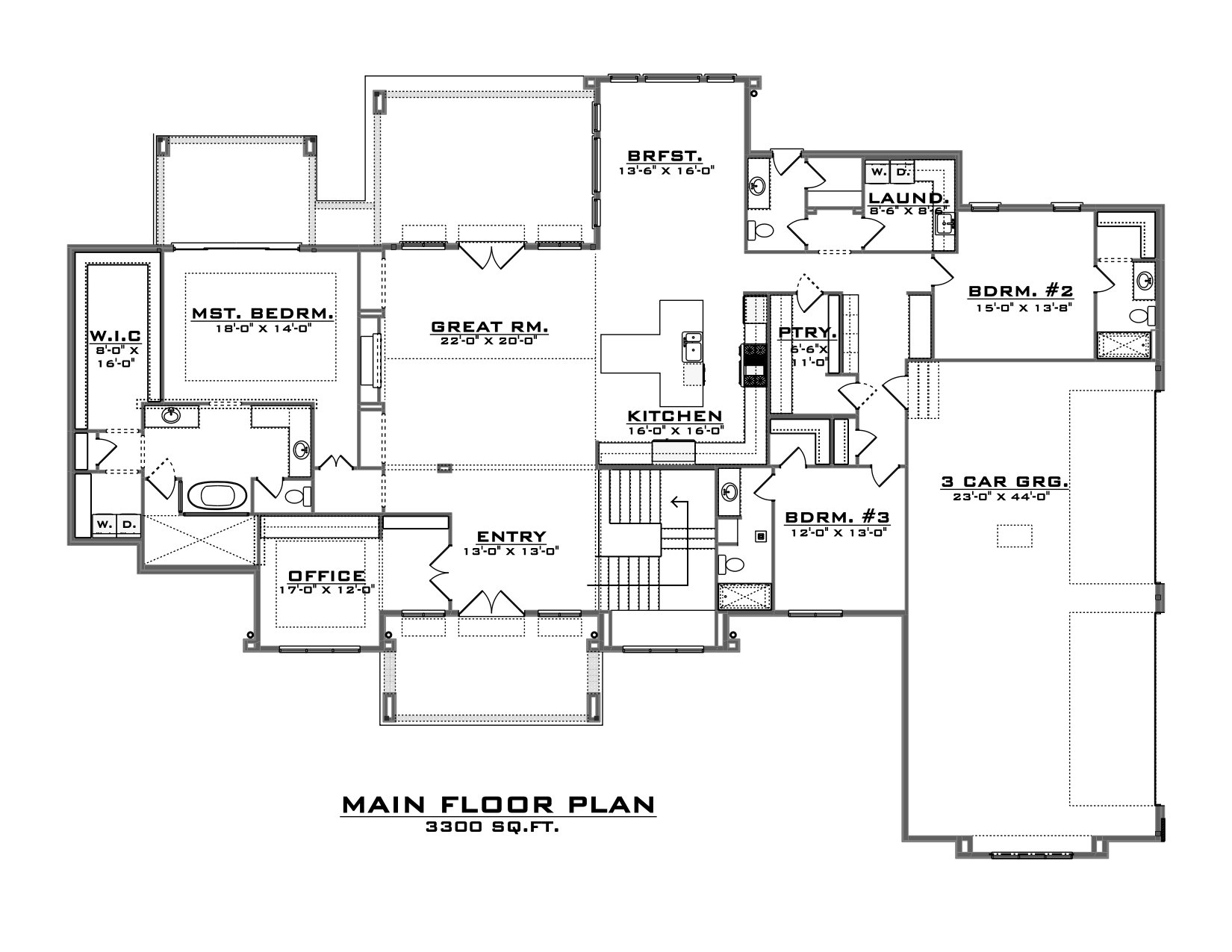
Catalyst’s design process is collaborative. You’re not choosing from a catalog of pre-set plans and making cosmetic tweaks — you’re working with the team to develop a home designed around how you actually live.
The design phase typically covers:
Floor plan and layout. How do you move through your home on a Tuesday morning versus a Saturday evening with guests? Where do you want the primary suite relative to the children’s rooms? Is the kitchen the center of the home, or do you prefer a more separated layout? These decisions drive the floor plan before a single material is selected.
Exterior architecture. Brick, stone, fiber cement, or a combination? Roofline complexity and pitch? Garage orientation and door count? These choices define the home’s curb presence and affect construction cost significantly.
Interior selections. This is where most buyers underestimate the time investment — and where Catalyst’s experience matters most. Cabinet lines, countertop materials, flooring, tile, fixtures, hardware, paint — the number of selections in a luxury custom home runs into the hundreds. Catalyst guides buyers through a sequenced selection process that prevents decision paralysis and ensures choices are made in the right order (structural before finish, finish before trim, and so on).
Allowances vs. specifications. Unlike production builders who pad allowances low and recover margin when clients upgrade, Catalyst works to specify actual materials and actual costs as early as possible. Fewer surprises. More honest budgeting.
The design phase typically takes 4–8 weeks depending on complexity and how quickly clients make decisions. The output is a complete set of construction documents and a finalized budget — before any ground is broken.
Phase 4: Permitting and Pre-Construction
The part no one talks about, but everyone should understand.
Permits in South Dayton jurisdictions — across Greene, Warren, and Montgomery counties — vary in their timelines and requirements. Catalyst’s experience across dozens of builds in this market means the permit applications are complete and accurate the first time, which matters more than it sounds. Incomplete applications restart the clock.
Pre-construction activities during this phase include:
- Finalizing subcontractor scheduling (Catalyst’s long-term relationships with subs in this market mean preferred scheduling, not lottery scheduling)
- Site preparation — clearing, grading, and staking
- Ordering long-lead materials, particularly cabinetry, windows, and specialty items that have extended lead times
The permit and pre-construction phase typically runs 4–8 weeks depending on jurisdiction.
Phase 5: Construction
This is the part that feels the slowest and moves the fastest.
A typical Catalyst luxury custom home takes 10–14 months from groundbreaking to completion, depending on size and complexity. Here’s the general sequence:
| Stage | What’s Happening |
|---|---|
| Foundation | Excavation, footings, foundation walls or slab |
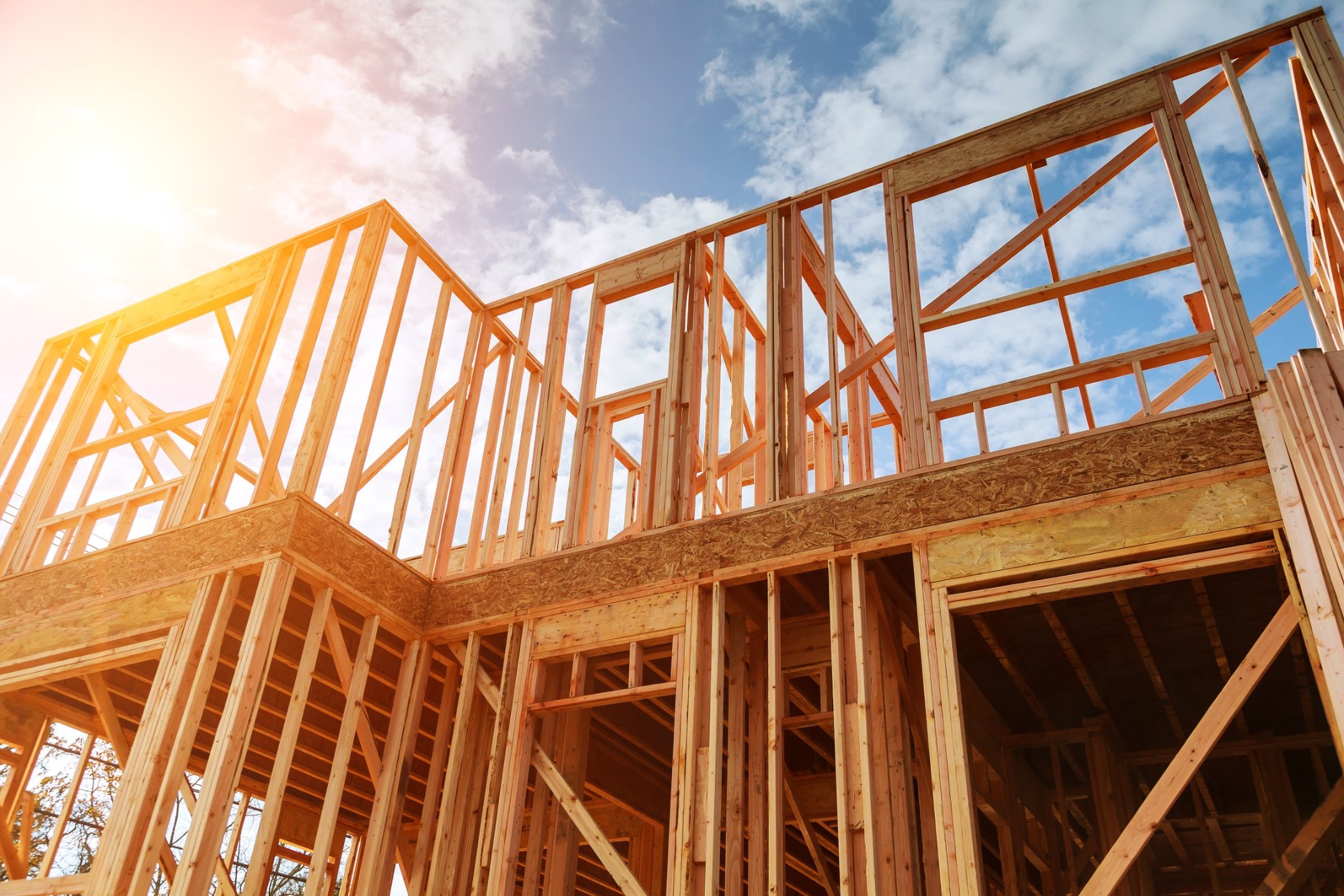
| Framing | The skeleton of your home — walls, floors, roof structure |
| Rough mechanicals | HVAC, plumbing, electrical, low-voltage rough-in |
| Insulation & drywall | The home starts to feel like rooms |
| Interior finish | Cabinets, trim, flooring, tile, paint |
| Exterior finish | Siding/brick/stone, roofing, windows, doors |
| Fixtures & finishes | Lighting, plumbing fixtures, hardware, appliances |
| Final grading & landscaping | Driveway, finish grading, initial plantings |
| Punch list | Final walk-through, correction of any items before closing |
Throughout construction, Catalyst maintains direct communication with clients. You’re not routed through a customer service inbox — you have access to Cain, Seth, and the project team. Site visits are encouraged and welcomed. You should know what’s happening on your home.
“We chose Catalyst to build with due to their integrity and desire to help us realize our perfect home. We had the ability to chose every last detail to make it our own. From the transparent pricing and easy communication with the builders (not a project manager assigned to our home) it was a nearly seamless experience.
I’ve spoken to many who have built homes with other builders and have not had anywhere near the positive experience we had. We had access to design assistance and were able to deal directly with the suppliers. If you’re looking to build a quality, custom home, I can not give a greater recommendation for Seth and Cain Doliboa. I promise you will not be disappointed, and will come out with the home of your dreams.”
Ashley | Centerville
Phase 6: The Final Walk and Move-In
The punch list is not a formality. Take it seriously.
Before closing, every Catalyst home goes through a formal walk-through with the client. This is not a ten-minute tour — it’s a systematic review of every room, every finish, every system. Every item identified gets documented and assigned a completion date. Nothing transfers to you with an open item that hasn’t been addressed.
Move-in day, for most Catalyst clients, arrives as a genuine surprise at how ready the home feels. The floors are clean. The systems work. The builder is still available by phone.
After you move in, Catalyst’s relationship with you continues. The first-year punch list — things that settle, adjust, or reveal themselves over the first twelve months — is a normal part of any new construction, and Catalyst walks through it with clients rather than making them fight for service.
Schedule a consultation today and take the first step toward a home that moves beyond blueprints and into something truly extraordinary.
Speak to us! (937) 572‑4557
What Makes Catalyst Different: The Honest Version
There are a lot of custom home builders in South Dayton. Here’s what we’d point to honestly:
Second-generation ownership, not corporate oversight
Cain and Seth Doliboa grew up in this business. Their father founded Catalyst in 1976. The standards they hold are personal, not institutional.
Volume control by choice
Catalyst builds fewer homes per year than they could. That’s not a limitation — it’s a business decision that protects quality and allows genuine personal involvement in every build.
Subcontractor relationships built over decades
The plumbers, electricians, framers, and finish carpenters who work on Catalyst homes have done so for years. They show up. They do it right. That’s not luck — it’s the product of a builder who pays on time, plans well, and treats tradespeople with respect.
Local knowledge that can't be downloaded
Nearly 50 years of building in this specific market means Catalyst knows which lots drain well, which jurisdictions process permits quickly, which material suppliers are reliable, and where the pitfalls are before they become your problem.
Ready to Talk?
The best way to understand whether Catalyst is the right builder for you is to have a conversation. Not a sales meeting — a conversation. If you’re thinking about building in South Dayton, on your own lot or at Country Lakes, we’d be glad to talk through what the process would look like for your specific situation.
Author Bio
Cain brings years of expertise in luxury home construction, guiding families through the building process with a focus on craftsmanship, integrity, and attention to detail.